

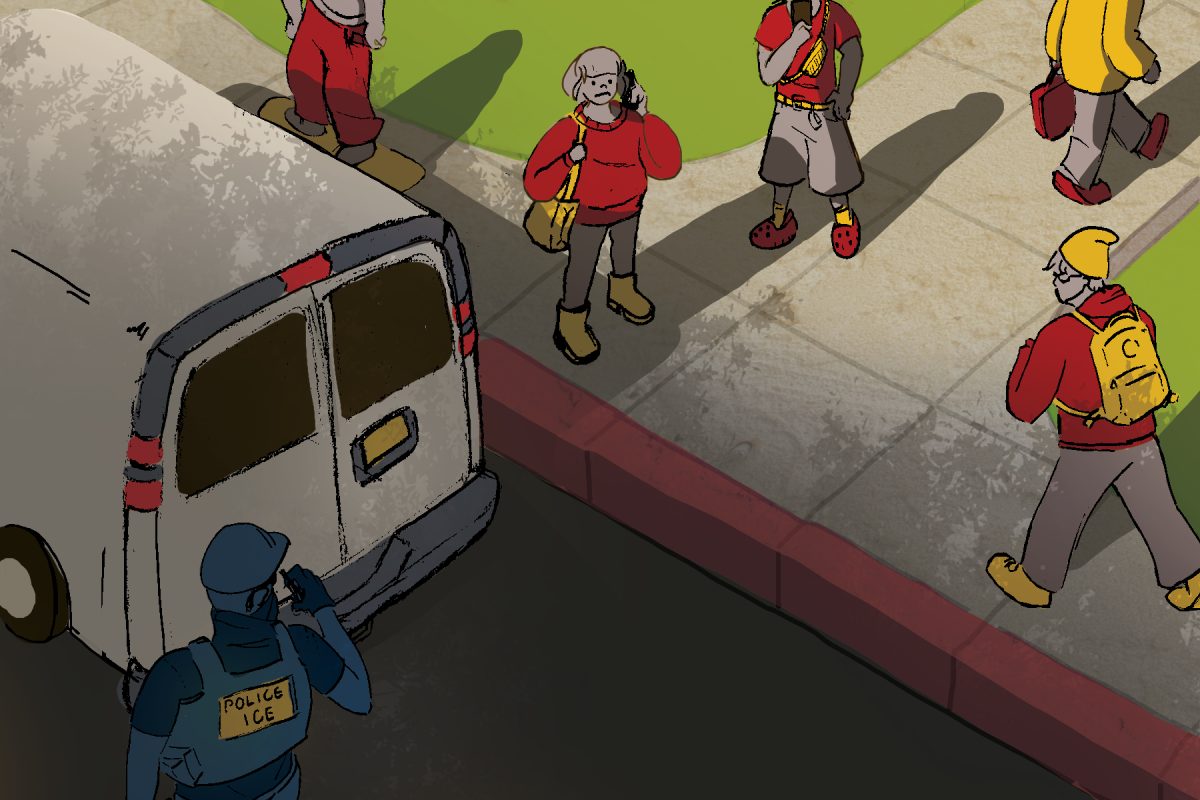
Following a recent Supreme Court ruling that allows Immigration and Customs Enforcement (ICE) to conduct detentions based on racial profiling or language, students at Stan State have voiced concerns for their families and communities. The decision has raised questions about protections under the Fourth Amendment, which guards against unreasonable searches and seizures.
In response, Stan State has reaffirmed its commitment to supporting students affected by immigration enforcement activities and to maintaining a safe and inclusive campus environment.
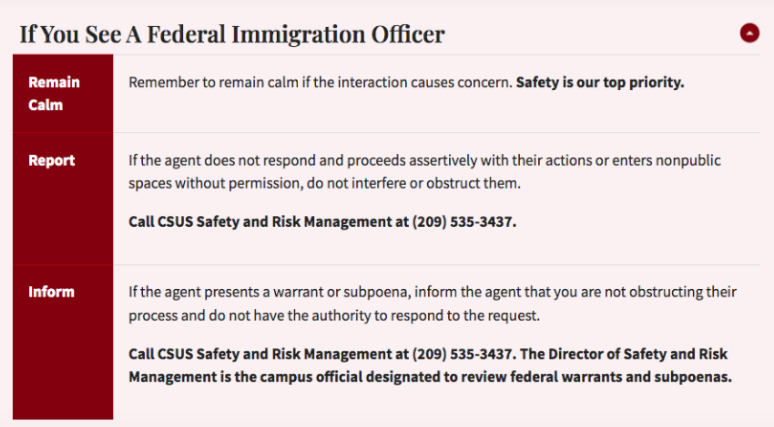
Dr. Rosalee Billingslea Rush, Vice President for Strategic Communications and Marketing, shared that the university is committed to maintaining a safe and inclusive environment for all Students.
Highlighting several campus services available to assist students impacted by immigration actions, including Undocumented Student Services (USS), Counseling and Psychological Services (CAPS), Basic Needs, and Immigrant Legal Defense (ILD)
The CSU Immigration Legal Services Project led to the creation of ILD, allowing Stan State to provide free, confidential immigration legal assistance to students, their families, staff, faculty and recent alumni.
“ILD attorneys offer confidential consultations and support DACA applications and renewals, family-based petitions and humanitarian protections such as U-Visas, T-Visas and VAWA petitions,” Rush said.
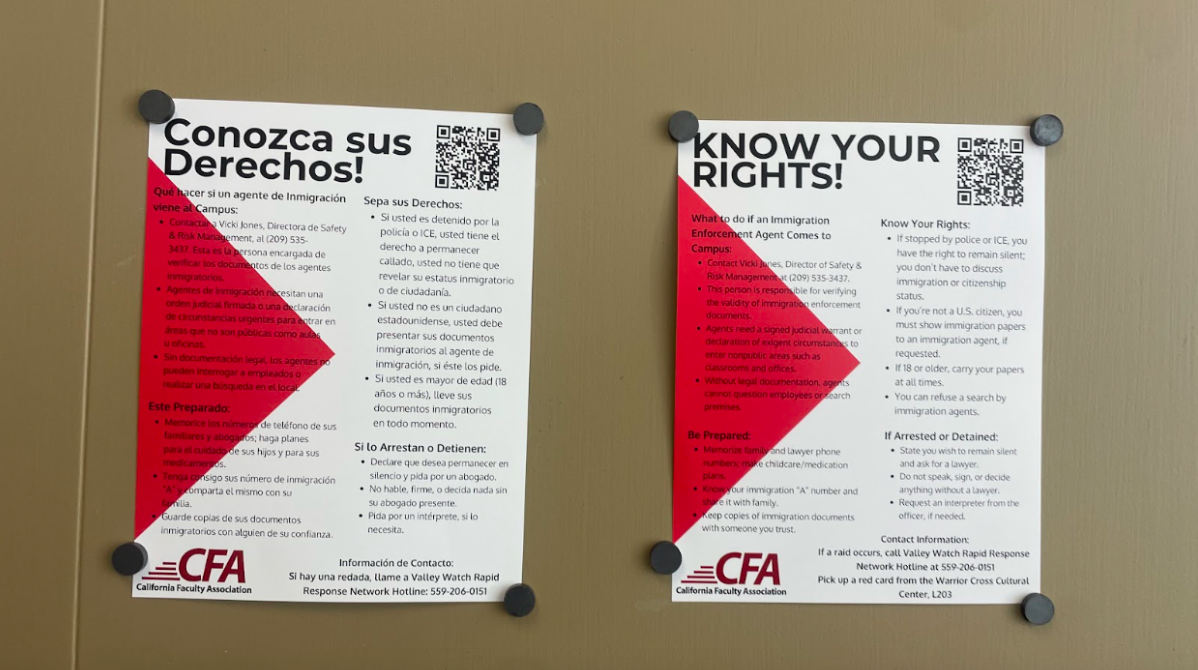
Students in need of assistance can schedule appointments in person or remotely. Students only need to cover any filing fees determined by the federal government.
USS additionally provides information about immigration rights, warrants and emergency contacts for students seeking immediate assistance. Rush noted that the university keeps personal and immigration related information confidential from federal agents unless legally compelled through a court order or subpoena.
“We understand that news about immigration enforcement can create fear and uncertainty,” Rush said. “Stan State is committed to fostering a campus where students feel safe, supported, and informed.”
Under the Biden administration certain places were protected from ICE raids which have since been rescinded once the current administration entered office. Places include:
- Schools
- Medical or healthcare facilities
- Places of worship
- Places where children gather
- Social services establishments
- Places where emergency response/relief is provided
- Place where funerals, weddings or other religious or civil ceremonies occur
- Places where rally, demonstration or parades are taking place
These protections required special approval before the agenda could make arrests. Under the current administration, however, these limitations have been rescinded and ICE may conduct enforcement in these areas without prior approval.
A Department of Homeland Security spokesperson stated, “Criminals will no longer be able to hide in America’s schools and churches to avoid arrest. The Trump administration will not tie the hands of our brave law enforcement, and instead trusts them to use common sense.”
Many students shared personal stories and concerns about how the ruling and increased ICE activity have affected their families.
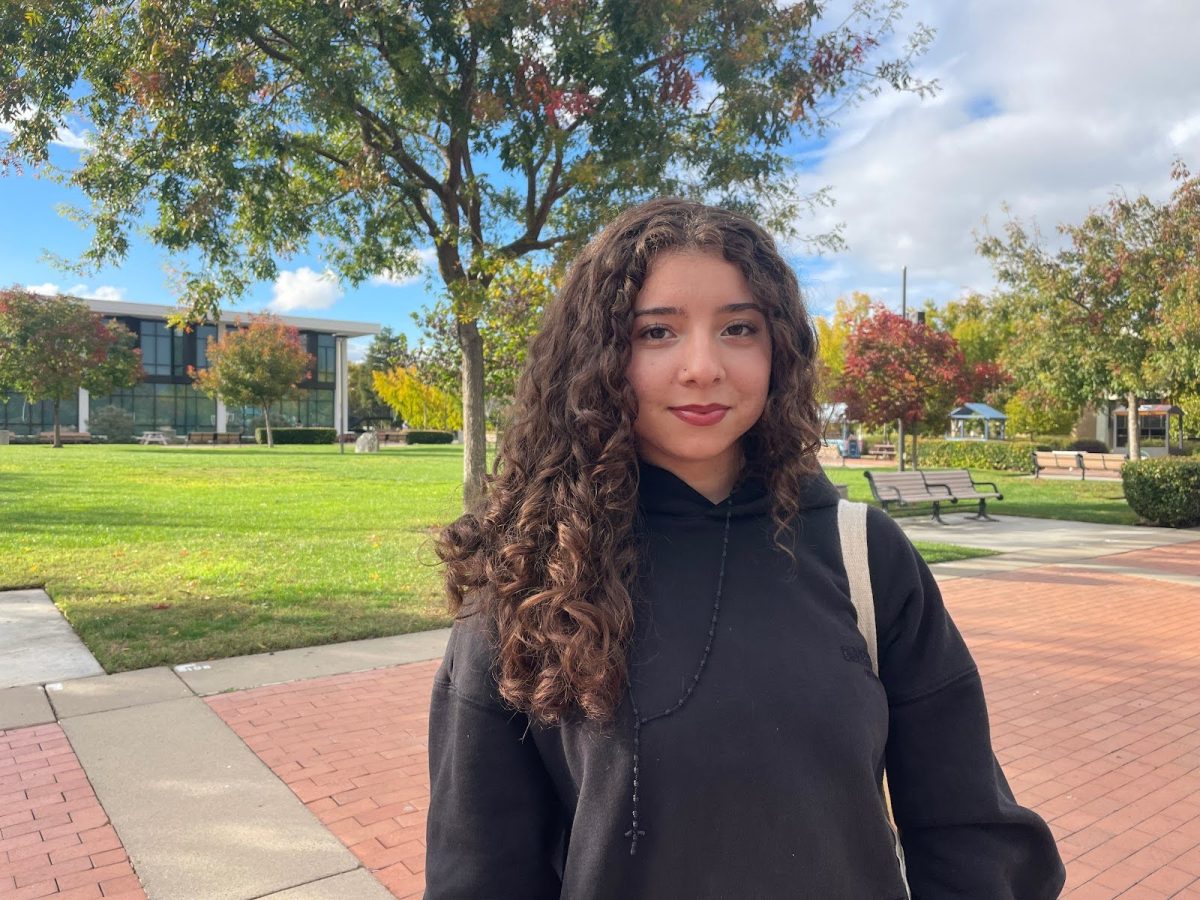
Dalilah Monterroso (Freshman, Pre-Nursing) talked about how her grandmother is being affected by the ICE raids.
“It’s affected her and how she goes about her day-to-day. She doesn’t really leave her house anymore because she’s afraid of being taken,” Monterroso said.
Noah Berry (Junior, Psychology), although not personally affected, said he believes current practices are inhumane.
“What if they just don’t know their process of how to get it? Maybe you can show that to them rather than just deporting them to who knows where. Separating families and destroying families, I don’t like that part,” Berry said.
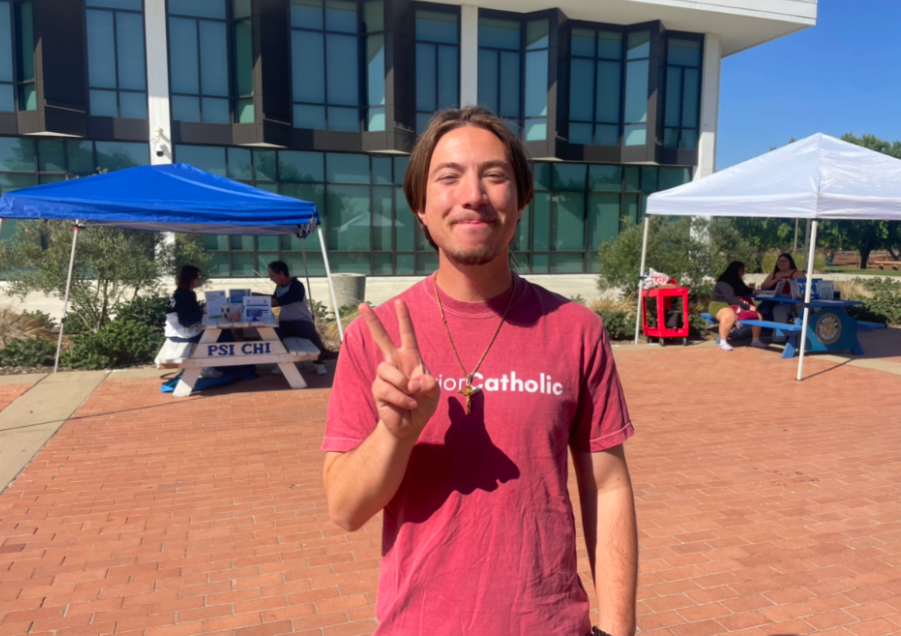
Chris Baekn (Senior, Communications), who has worked with undocumented workers, believes immigration enforcement should not tear families apart.
Liam Henry (Freshman, Psychology) believes that people who come here illegally and commit crimes should be deported, but those who don’t commit crimes and come here to work should be accepted as people.
“I believe that they should be accepted as people, because yeah my beliefs are that we should accept people,” Henry said.
He added, “I don’t believe that people that are working should be taken away from their shops and their families like that.”
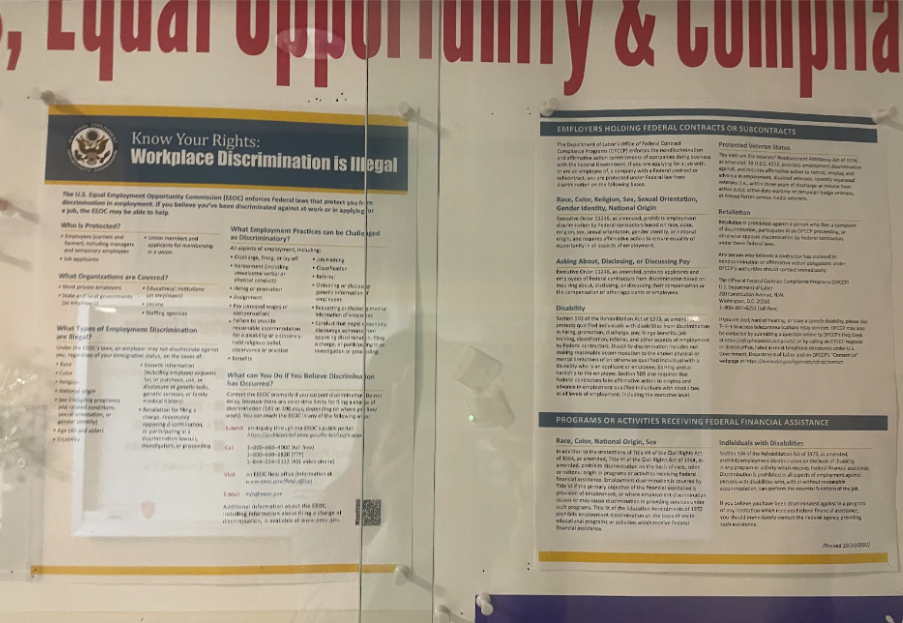
A student (Junior, Psychology) who chose to remain anonymous said that they have witnessed enforcement actions involving more violence than formally taking people into custody.
“They don’t formally take people into custody that I’ve seen. It’s a lot more violence and manipulation,” they said.
They also add how their dad’s side of the family came from Mexico, but happen to be on the lighter side.
“So we have a lot of the white privilege. But there’s still been times where I’m like, will they consider us American enough just because his family did come from Mexico?”
They added that the path to citizenship is long and difficult, and they worry for friends who are undocumented.
Students who fear potential ICE activity or who want more information can reach out to Vicki Jones, the Director of Safety and Risk Management. They may also reach out directly to USS.