
Today’s Academic Senate meeting saw concerns regarding the extreme heat during commencement, prompting discussions about potentially adjusting the academic calender, with with moving the start of the winter classes.
President Britt Rios-Ellis delivered her report, highlighting a successful community concert held Sunday that featured a live performance by The Two Lips.
“We had a couple thousand people on campus on Sunday for a concert. It was an absolute success.” President Rios-Ellis said.
She also provided an update on Stan State’s 1960 Minutes of Giving, with over $208,000 raised so far.
“Giving Day was also a huge success, so I thank everyone who gave and who was involved in that we raised over $208,000,” she said. “The checks are still coming in. Kathy Wooton thinks we are going to be over 300,000 by the end of it.”
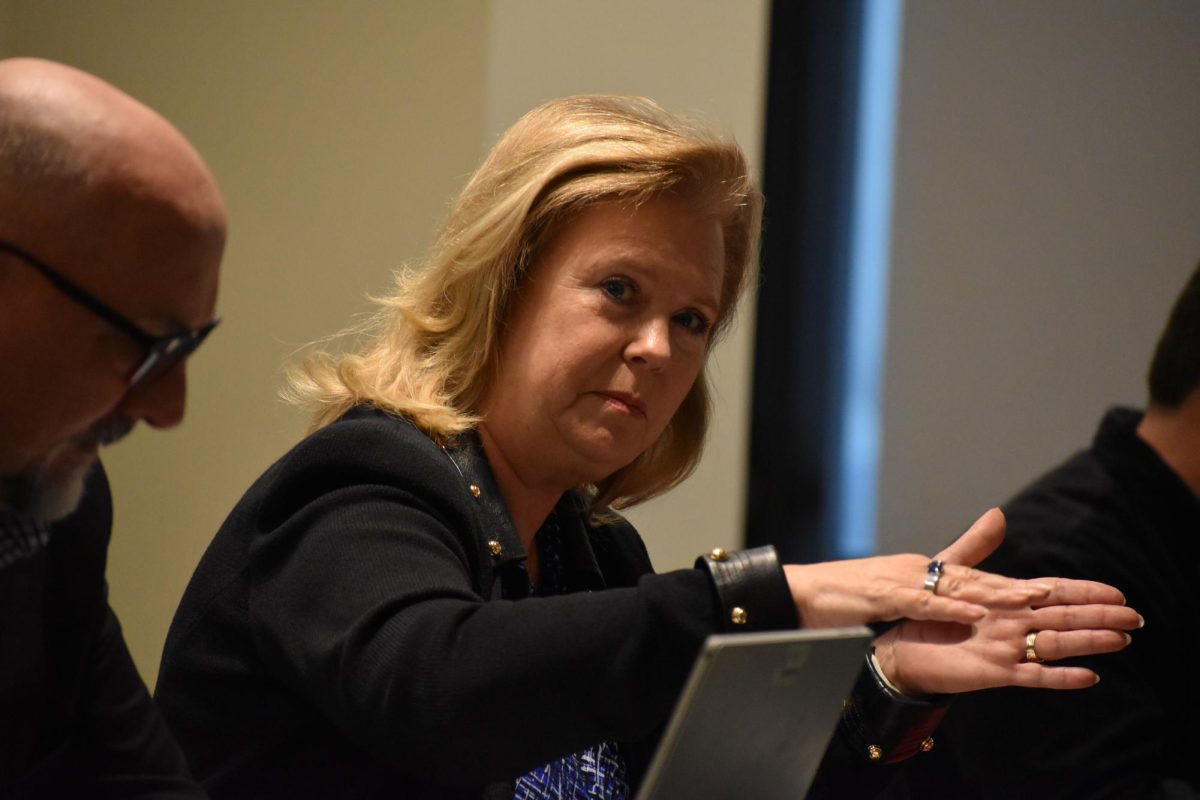
During her report, she raised concerns about high temperatures during commencement, which takes place in late May.
“Last year, when I was sitting in my shaded space, which I feel really uncomfortable having because all of the public that I’m looking out on does not have shaded space,” she said.
She said a team has been evaluating alternative locations for commencement and considering adjustments to the academic calendar to reduce potential health risks.
“We’ve had a team going looking at different spaces, we could hold our graduation in a place that wouldn’t render folks in a public health potential nightmare,” she said.
Among the proposals was talk of shortening the ceremony or moving it earlier in the year by adjusting the academic calendar, including possibly starting the winter term earlier.
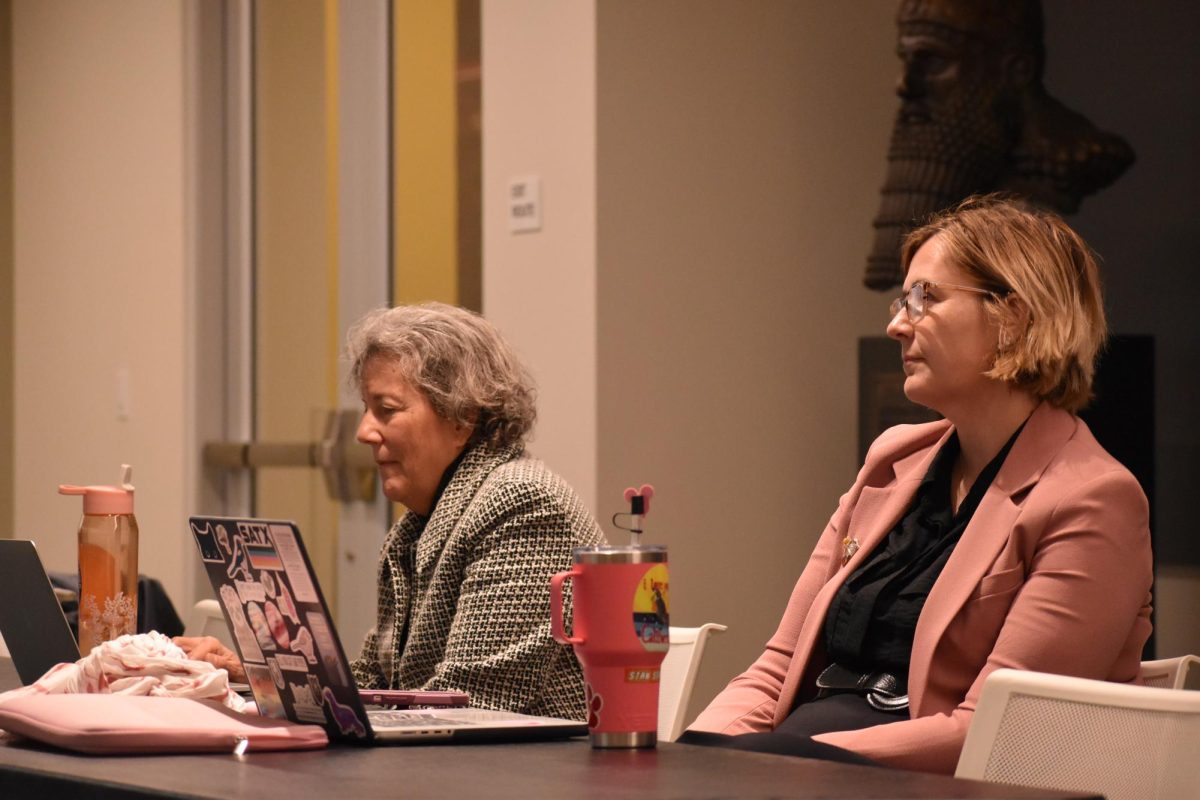
Senator Van Laar expressed support for the potential of moving the winter term up in the calendar.
“I was at Fresno State for a number of years. They still do a winter term, but they start it in December,” Senator Van Laar said. “They’re doing their commencement about 2 weeks before we are.”
With commencement approaching and deadlines to modify the academic calendar nearing, the issue remains under review.
The Senate held a second reading item on revision of the baccalaureate degree requirements, which would take effect in fall 2026 if approved by both the Senate and the president.
The revisions aim to resolve conflicting interpretations that have caused confusion about which courses satisfy degree requirements.
Eric Conard, chair of the Academic Technology and Learning Committee (ATLC), shared his distaste for the revisions, as it leaves the humanities requirement too broad.
“Humanities is essential,” Chair Conrad said. “This revision leaves it broad; we believe this approach should be reconsidered.”
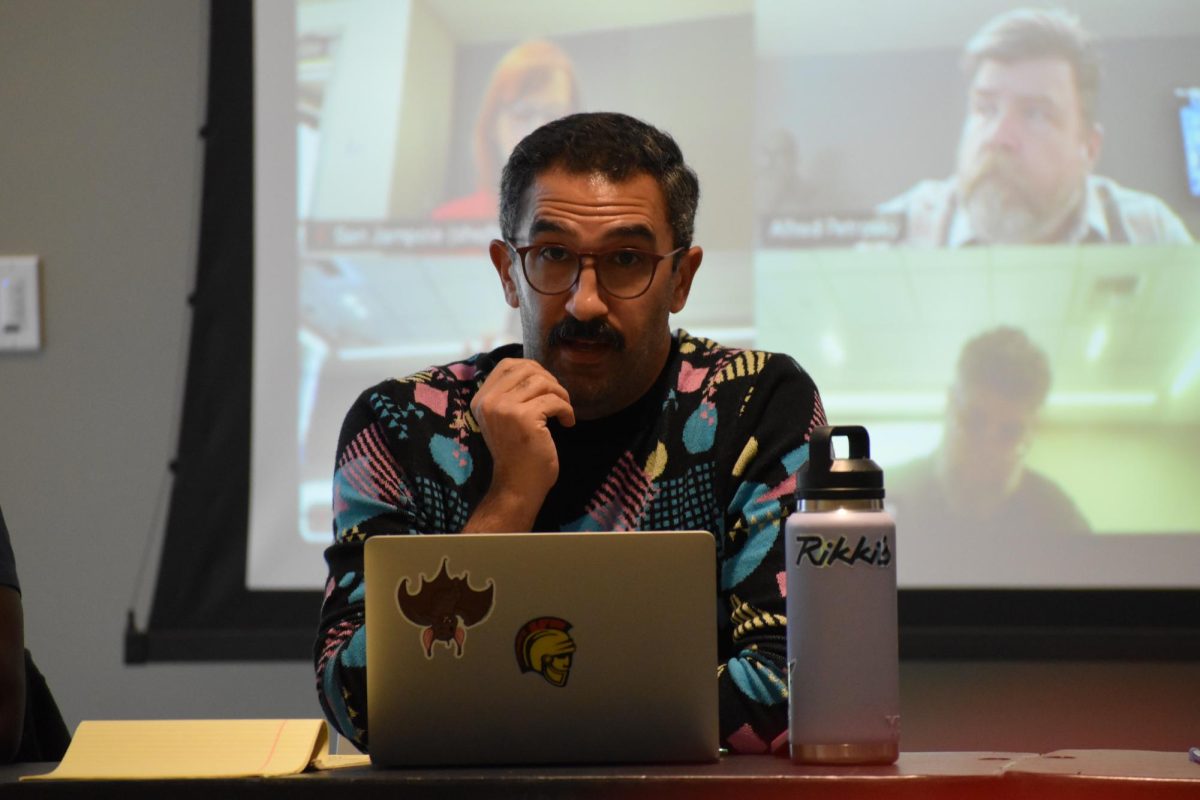
Senator Caroll shared his support for the revision, emphasizing its importance.
“Not passing would allow students to graduate without direct exposure to the arts and humanities,” Senator Caroll said.
Ultimately, the revision of the Baccalaureate degree requirement was passed with a majority vote.
Contributors to this article: Kaihli Miner-Hill and Emaan Nawabi